 Call833-268-8277

Bottar Law Knowledge Center
When something has gone wrong, getting reliable information should not make an already difficult situation more confusing. The Bottar Law Knowledge Center brings together in-depth legal guides, practical explanations, and answers to common questions to help New Yorkers better understand the law and the options that may be available to them.
The Bottar Law Knowledge Center is an educational resource designed to help New Yorkers better understand legal issues that may affect them and their families. Our resources explain important New York laws, legal processes, and practical questions in clear language, helping readers move from a broad concern to a more informed understanding of the issues that may matter.
The Knowledge Center is organized by legal topic so you can explore increasingly specific questions at your own pace.
These resources provide general legal information. They are not legal advice and are not a substitute for speaking with an attorney about the facts of a particular matter.
Medical Malpractice
Medical malpractice can raise difficult questions about medicine, law, evidence, and what should have happened during a patient’s care. The New York Medical Malpractice Knowledge Center is designed to make those questions easier to explore.
Learn how medical malpractice claims in New York are evaluated, investigated, filed, and pursued, including the role of medical negligence, expert review, causation, damages, settlements, attorney fees, and the attorney-client relationship.
Understand what medical malpractice means, how negligence is evaluated, what may distinguish a poor medical outcome from malpractice, and what information can help an attorney evaluate a potential claim.
Learn about medical records, expert review, evidence, defendants, filing requirements, discovery, and the steps involved in developing a medical malpractice claim.
Explore important New York laws and legal principles that can affect a malpractice case, including time limits, standards of care, causation, liability, and procedural requirements.
Learn about the types of damages that may be available, the factors that can affect case value, how settlements work, and why outcomes depend on the facts and evidence in each case.
Learn what questions to ask when evaluating an attorney, what experience may be relevant, and what to consider before choosing a law firm to investigate a potential malpractice claim.
Understand contingency fees, litigation expenses, representation agreements, and other financial questions that can arise when hiring a medical malpractice attorney.
Learn what to expect after retaining counsel, how clients and attorneys typically communicate, what may happen as a case progresses, and questions you can ask along the way.
Additional Knowledge Centers Coming Soon
Medical malpractice cases often begin with a question: was what happened to me, or someone I love, something that should not have happened?
Answering that question can require much more than identifying a bad outcome. Medical records may need to be reviewed. The treatment provided may need to be compared with the applicable standard of care. Medical experts may need to evaluate what happened. And even when a medical error occurred, there may still be important questions about whether that error caused an injury and what damages resulted.
New York law also imposes specific procedural and timing requirements on medical malpractice claims. For example, CPLR § 214-a generally establishes a two-year-and-six-month limitations period for medical, dental, and podiatric malpractice claims, subject to important exceptions and other rules that can affect when a particular claim must be brought.
That complexity is why we built the Medical Malpractice Knowledge Center around the questions people actually ask.
The goal is not to tell you what the outcome of a particular case will be. It is to help you understand the questions that may need to be answered.
You do not need to know the right legal terminology before you begin. The Knowledge Center is structured so you can start with the question you already have and go deeper only when you are ready.
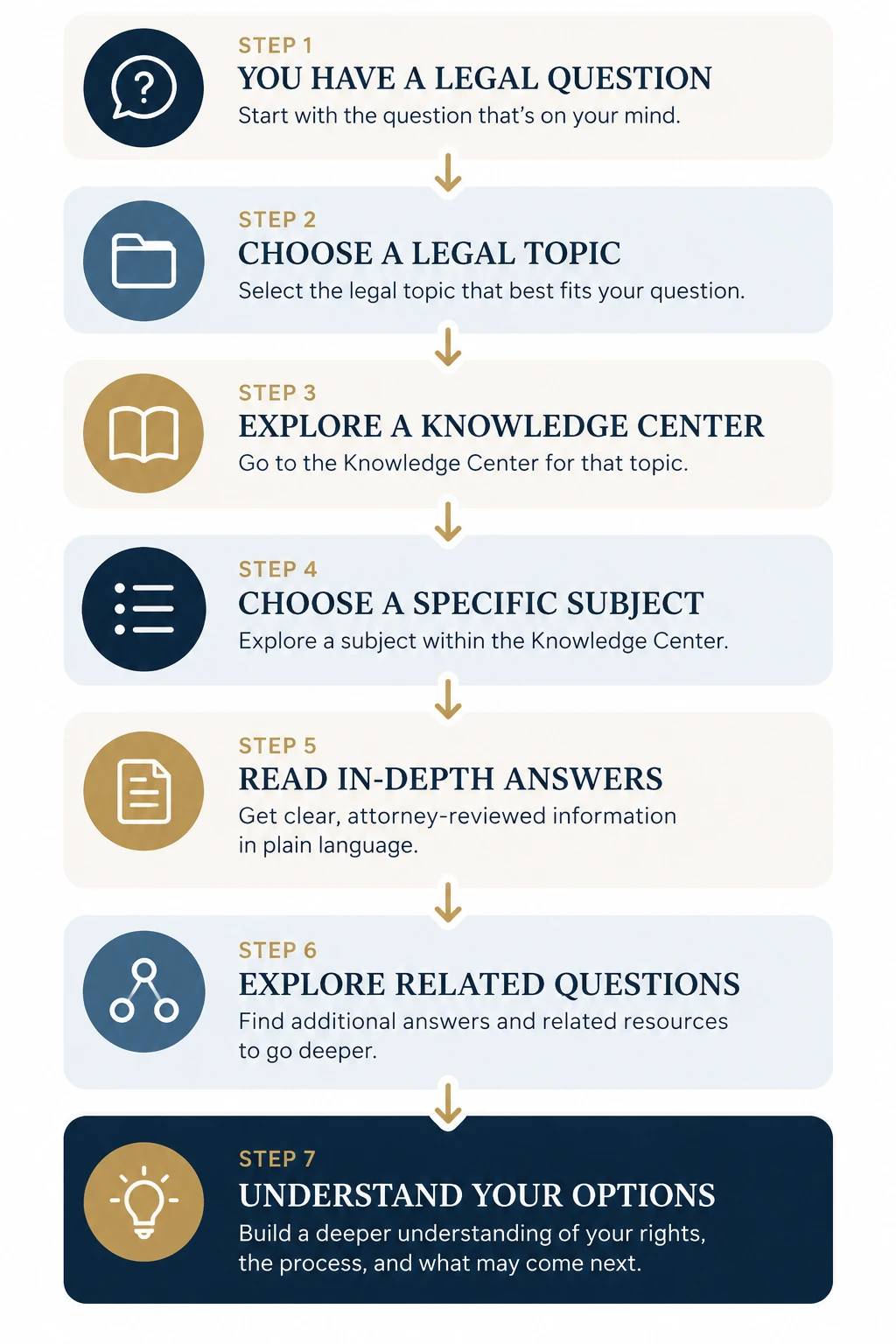
Sometimes the easiest way to begin is with the question already on your mind.
Can’t find your question?
Legal information is most useful when you can understand where it comes from and why you can rely on it. The Bottar Law Knowledge Center is built around several principles.
Our resources address the kinds of questions people ask when they are trying to understand what happened, whether the law may apply, and what they might do next. We believe legal information should begin with the reader’s question, not legal jargon.
Resources discussing New York legal issues are developed with the applicable New York legal framework in mind. Where appropriate, our content addresses statutes, procedural requirements, legal standards, and other authorities relevant to the subject being discussed.
Knowledge Center legal content is reviewed for legal accuracy, clarity, and relevance by Bottar Law attorneys familiar with the subject matter.
No responsible legal resource can determine the outcome of a case based on a few facts read online. The strength and value of a legal claim can depend on medical evidence, expert opinions, causation, damages, applicable law, available defenses, and many other circumstances. Our goal is to explain those issues, not promise a result.
Laws, court decisions, and legal procedures can change. Knowledge Center resources include publication and/or review information so readers can understand when the material was evaluated. Content may be updated when changes in the law or other developments make an update appropriate.
People rarely begin with a perfectly formed legal question. They begin with something that happened.
A diagnosis came too late. A procedure had an unexpected outcome. A loved one’s condition suddenly worsened. An explanation did not seem to make sense. Or someone simply has the feeling that they do not have the whole story.
Then come the questions.
What happened?
Was it preventable?
What does the law say?
What information would matter?
Is there a deadline?
Should I talk to an attorney?
Finding clear answers can be difficult, especially when you are already dealing with an injury, grief, medical appointments, financial pressure, or uncertainty about the future.
That is why Bottar Law created the Knowledge Center. It gives you a place to begin.
Understand what may have happened → learn what law may apply → identify what evidence may matter → know what questions to ask → better understand your options.
You do not have to learn everything at once.
Start with the question that brought you here.
Bottar Law is a New York law firm representing people and families in medical malpractice, serious personal injury, and related matters.
For decades, our attorneys have worked with individuals facing some of the most consequential moments of their lives, situations involving serious injuries, complicated medical questions, financial uncertainty, and the loss of people they love.
Our approach to legal education reflects the same principle we bring to representation: people deserve to understand what is happening.
The firm is headquartered at the Historic Fairfield Estate in Syracuse, New York, where Bottar Law serves clients and families confronting difficult legal and medical circumstances.
Reading about the law can help you identify important issues. But an online resource cannot evaluate medical records, investigate what happened, consult appropriate experts, or tell you how the law applies to every fact of your situation.
If you believe medical negligence or another wrongful act may have caused a serious injury, Bottar Law can listen to what happened, review the circumstances, and explain the options that may be available.
There is no pressure to know the right legal terminology before you contact us.
Tell us what happened. We’ll help you understand what comes next.