 Call833-268-8277

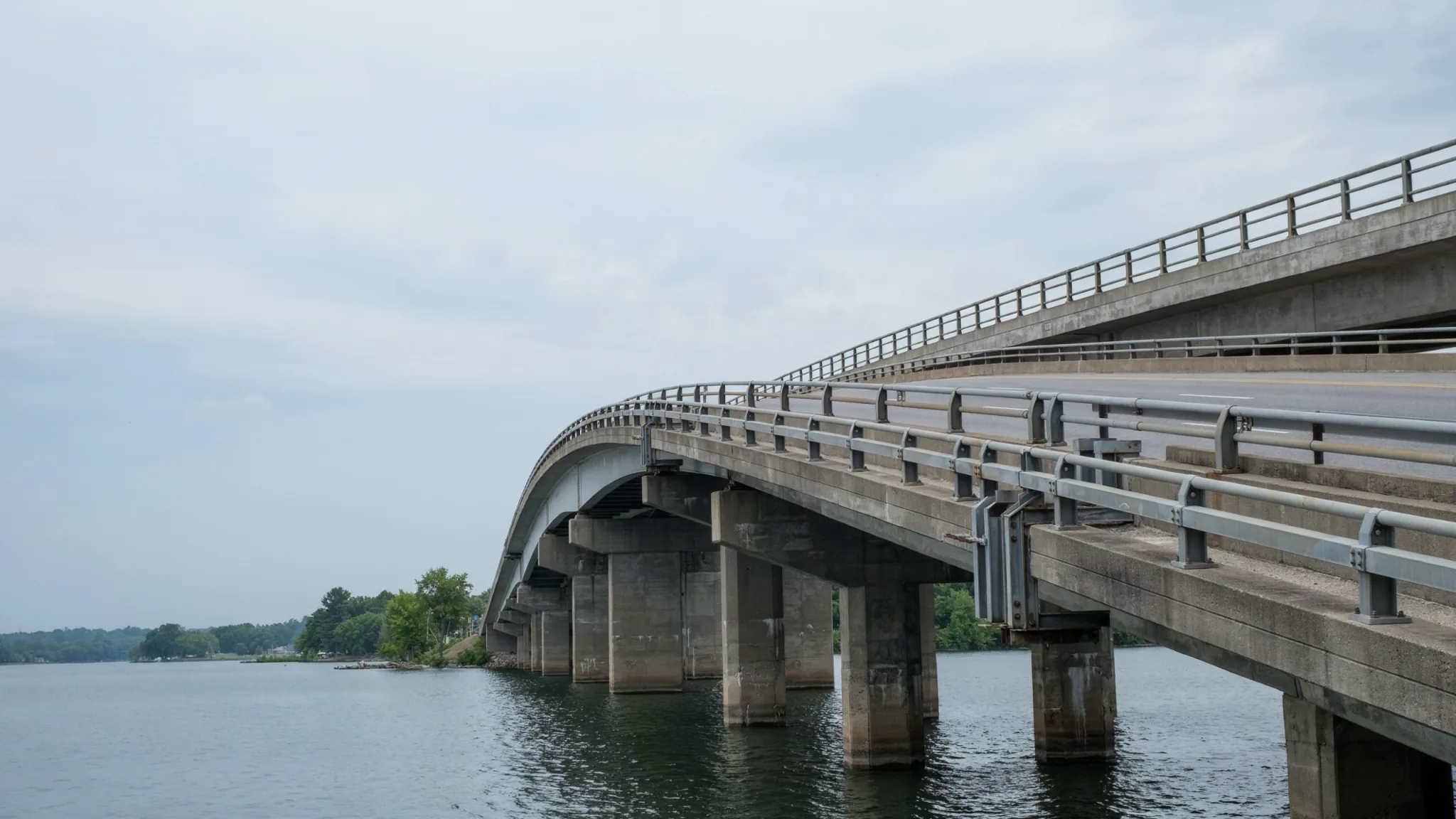
Bridge · Roadway · Structural Failure · Syracuse, NY
When a bridge collapses, a roadway gives way, or a building fails, the consequences can be devastating.
Free consultations for people injured in bridge, roadway, and structural failures in Syracuse and Central New York.
When a bridge collapses, a roadway gives way, or a building suffers a structural failure, the consequences can be devastating. What should have been a safe place to travel, work, or live can become the scene of a life-changing accident.
If you or someone you love has suffered serious injuries because of a bridge, roadway, or structural failure in Syracuse or Central New York, you may be facing more than physical pain. Medical bills, lost income, uncertainty about the future, and questions about who was responsible can quickly become overwhelming.
At Bottar Law, our Syracuse construction accident lawyers understand that you need more than legal explanations. You need someone to listen, help you understand what happened, and explain what options may be available.
Structural failure claims can involve engineering decisions, maintenance records, construction practices, government responsibilities, and multiple potentially responsible parties. Determining whether negligence or another legal basis for liability contributed to an accident often requires a careful investigation.
Our Syracuse personal injury lawyers help injured people and families evaluate complex injury claims and pursue accountability when the evidence and law support it.
You have been through enough. You deserve clear answers about what comes next.
Contact Bottar Law to request a free consultation about your potential claim.
Bridges, roadways, buildings, retaining walls, and other structures are designed to withstand expected conditions and loads. When these systems fail, the resulting injuries may be severe, and determining the cause can require substantial technical and legal investigation.
Structural failures can arise from defective design, improper construction, inadequate maintenance, deterioration, or a combination of contributing factors. Some failures occur suddenly. Others develop over time as warning signs go unaddressed.
Not every structural failure establishes negligence, and not every dangerous roadway condition results from a construction defect. The applicable legal duties depend on who designed, built, owned, inspected, maintained, or controlled the structure and what each party knew or reasonably should have known.
Bottar Law works to help clients understand these distinctions before important legal decisions are made.
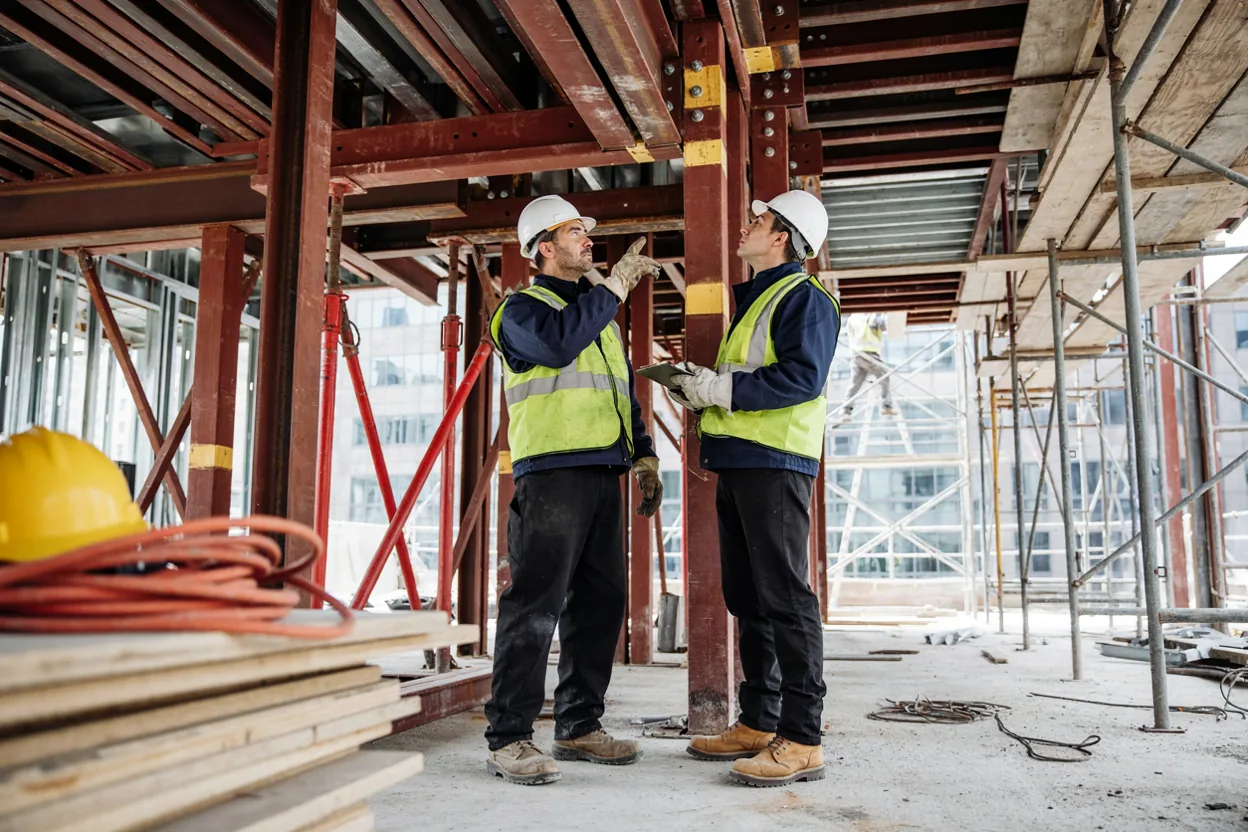
Construction projects involve changing site conditions, heavy equipment, temporary supports, and structures that may not yet have reached their intended strength or stability.
When a temporary or permanent structure fails during construction, workers and others nearby can face catastrophic consequences.
Construction accidents involving structural failure may occur when scaffolding gives way, an excavation wall collapses, a temporary support system fails, or a partially completed structure becomes unstable. Other incidents involve falling structural components, improperly supported loads, or roadway construction conditions that expose workers and motorists to danger.
These events may raise questions about engineering plans, construction sequencing, site supervision, inspections, and compliance with applicable safety requirements.
Same failure, different claims
For example, a worker injured when a temporary support fails may have legal issues different from those of a motorist injured after a poorly maintained roadway collapses. Although both incidents involve structural failure, the applicable duties, defendants, and remedies may differ.
Bottar Law evaluates construction-related injuries in the context of the underlying structural or infrastructure failure.
Injured construction workers may have access to workers’ compensation benefits through their employment. Depending on the circumstances, they may also have a separate claim against a negligent third party or a claim under an applicable New York Labor Law provision.
Potential defendants may include property owners, general contractors, subcontractors, equipment manufacturers, or other entities whose conduct or legal responsibilities contributed to the injury.
However, an injury at a construction site does not automatically establish liability under the Labor Law. The worker’s activity, the mechanism of injury, the parties involved, and the applicable statutory requirements must be examined.
Our lawyers can help evaluate whether a structural collapse or related construction accident supports a claim beyond workers’ compensation.
It is important to seek legal advice promptly after a serious construction-related structural failure.
Damaged materials may be removed, temporary supports replaced, equipment repaired, and accident scenes altered as work resumes. Inspection reports, photographs, work logs, and witness recollections can also become harder to obtain over time.
An Bottar Law attorney can assess what evidence should be preserved, identify potentially responsible parties, and review deadlines that may apply.
If you have suffered injuries in a structural failure accident, you do not need to determine the legal cause on your own before requesting help.
Request a free consultation. Tell us what happened, and we can discuss the next steps for evaluating your situation.
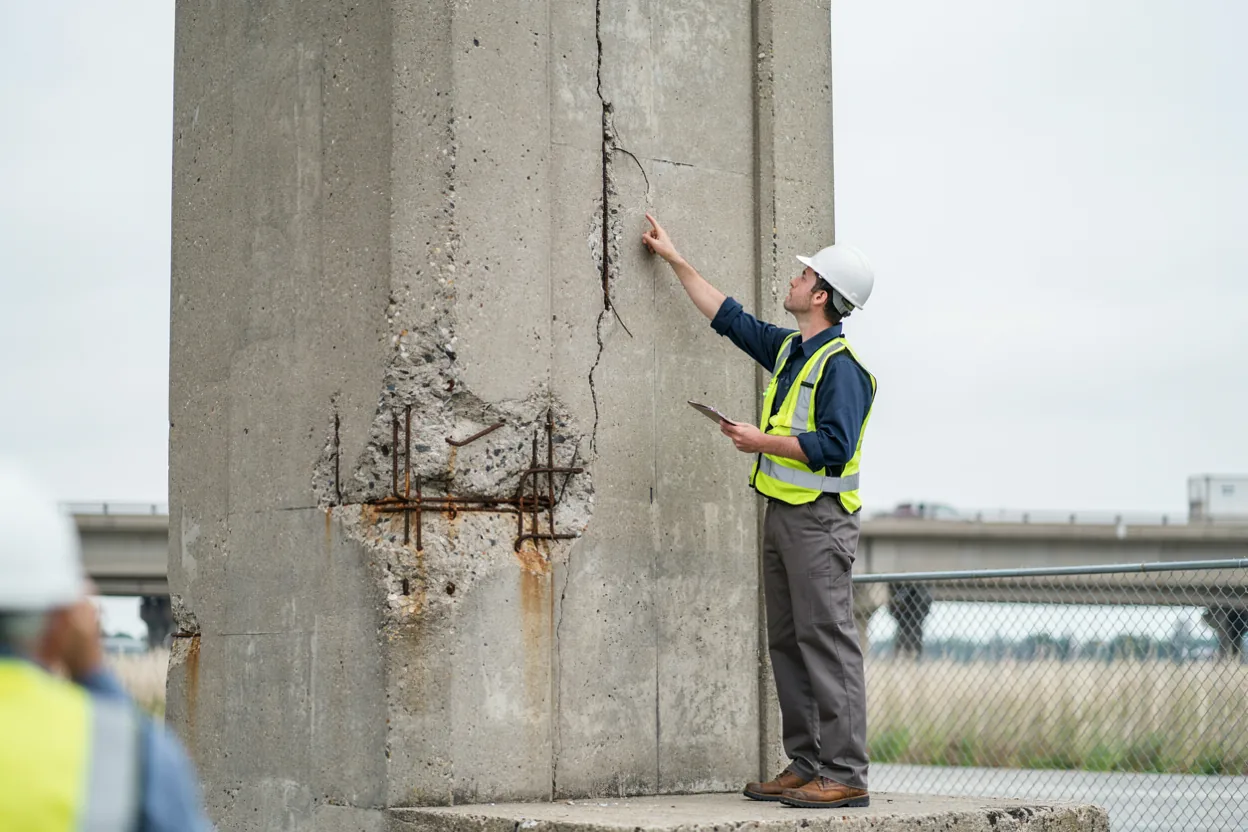
Structural failures rarely tell their entire story at the moment they occur.
A bridge collapse may involve years of deterioration. A building failure may result from a design problem, an unexpected load, or inadequate temporary support. A dangerous roadway condition may develop because of erosion, maintenance deficiencies, or improper construction practices.
Understanding the common causes of these accidents is an important part of determining whether someone failed to meet a legal duty.
Buildings depend on interconnected structural components to transfer loads safely through floors, beams, columns, walls, foundations, and supporting systems.
A collapse may involve improper weight distribution, inadequate load-bearing capacity, defective connections, deterioration, or changes to the structure that were not properly evaluated.
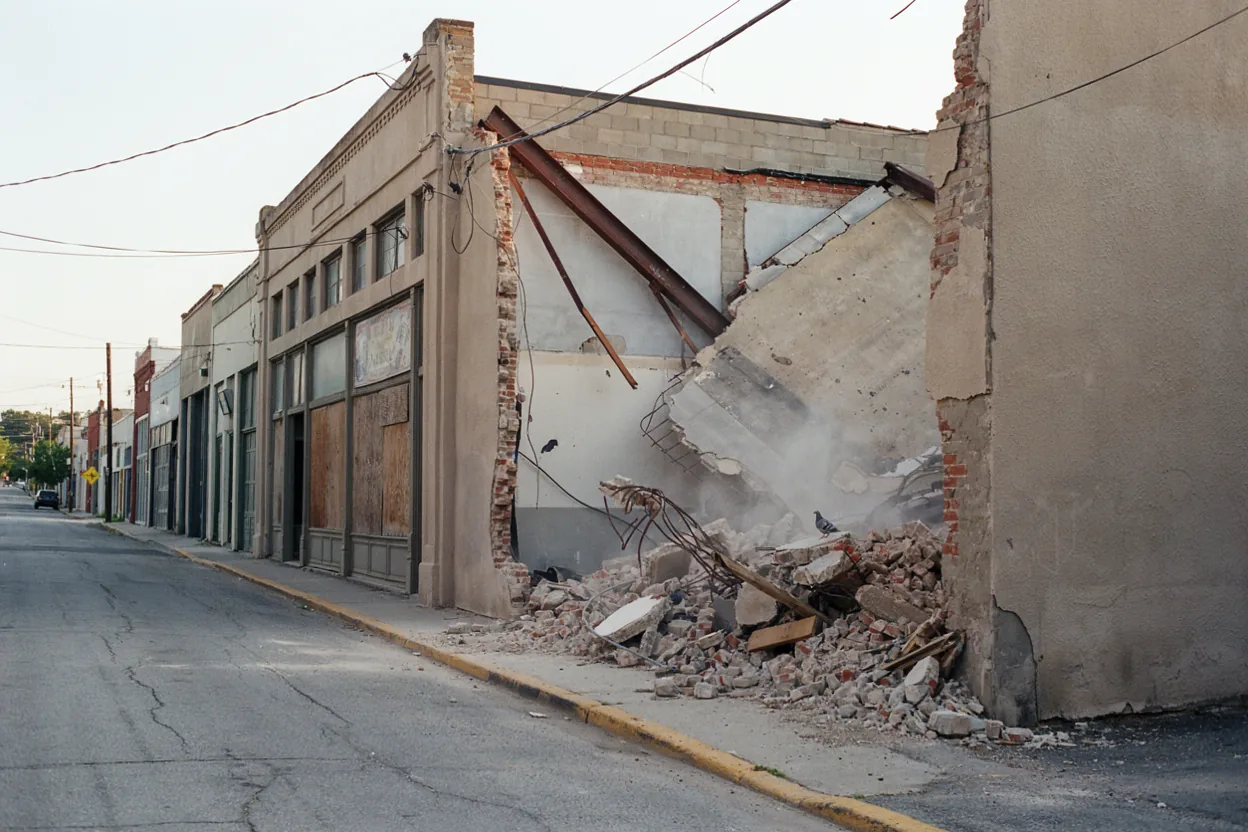
Construction and renovation work may introduce additional risks when load-bearing elements are removed, altered, or temporarily supported.
Determining responsibility requires more than showing that a building failed. Investigators may need to review design documents, inspection findings, construction records, maintenance history, and the specific mechanism of collapse.
Bridges are exposed to traffic loads, weather, water, corrosion, temperature changes, and long-term wear.
Potential contributing factors in bridge failures include deteriorated steel, damaged concrete, foundation movement, inadequate drainage, defective connections, or deficiencies in inspection and maintenance.
Some bridge accidents involve a sudden collapse. Others arise from localized failures, unsafe deck conditions, or structural defects that contribute to a collision or fall.
A legal investigation may consider whether inspections identified warning signs, whether necessary repairs were reasonably addressed, and which public or private entities were responsible for the affected infrastructure.
Roadway failure claims may involve pavement deterioration, edge drop-offs, unsafe transitions, unstable shoulders, subsidence, or erosion beneath the roadway.
Construction activity can create additional hazards, including open excavations, inadequate traffic control, temporary changes in road elevation, and obstructed sight lines.
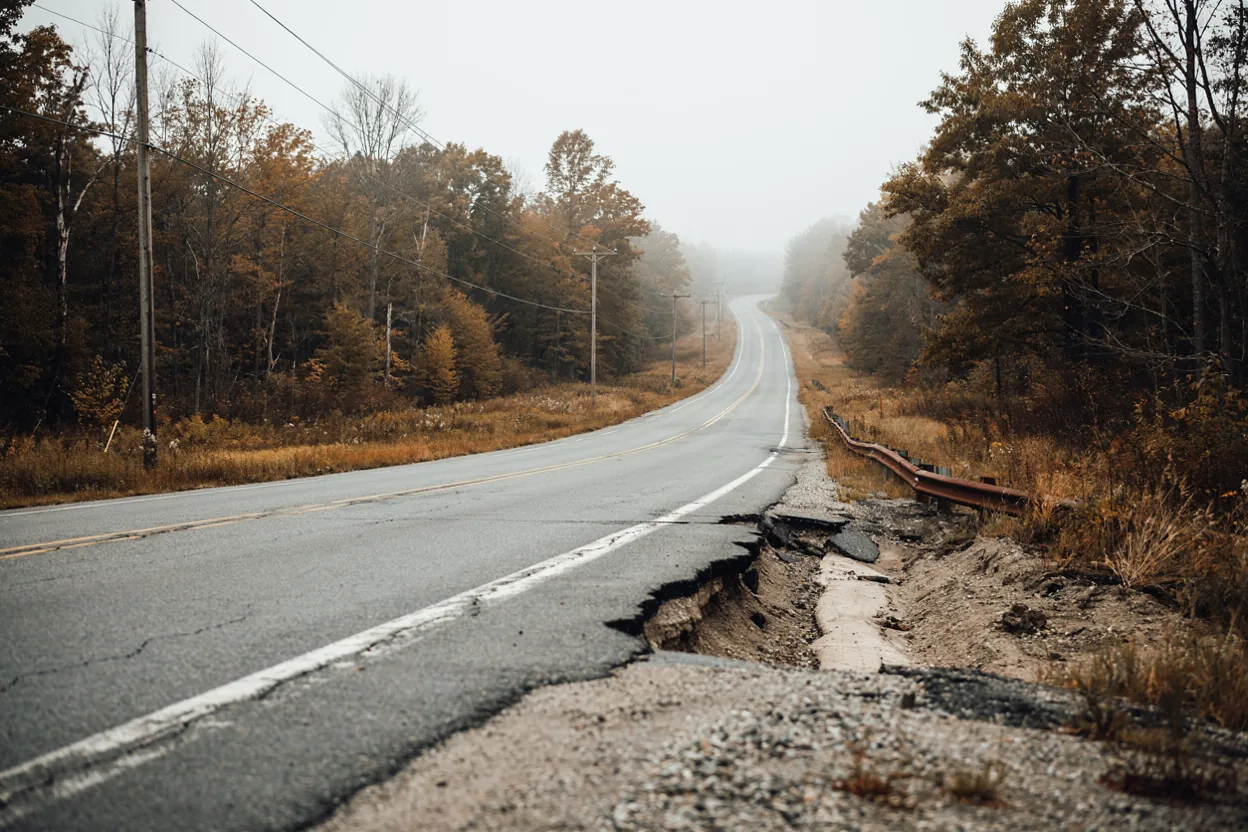
Relevant conditions may include:
The existence of a hazardous condition does not automatically establish that a governmental entity, contractor, or property owner is legally responsible. Notice requirements, applicable standards, causation, and the entity’s responsibilities must be evaluated.
Some structural failure accidents involve defective components or equipment, including lifting devices, support systems, anchors, fasteners, or manufactured structural products.
When a product defect contributes to an accident, a product liability claim may be possible under the applicable legal standards.
However, equipment failure alone does not establish that a product was defective. Investigators may need to distinguish a manufacturing or design defect from improper installation, inadequate maintenance, misuse, or another cause.
Preserving failed components and relevant records can be essential to that analysis.
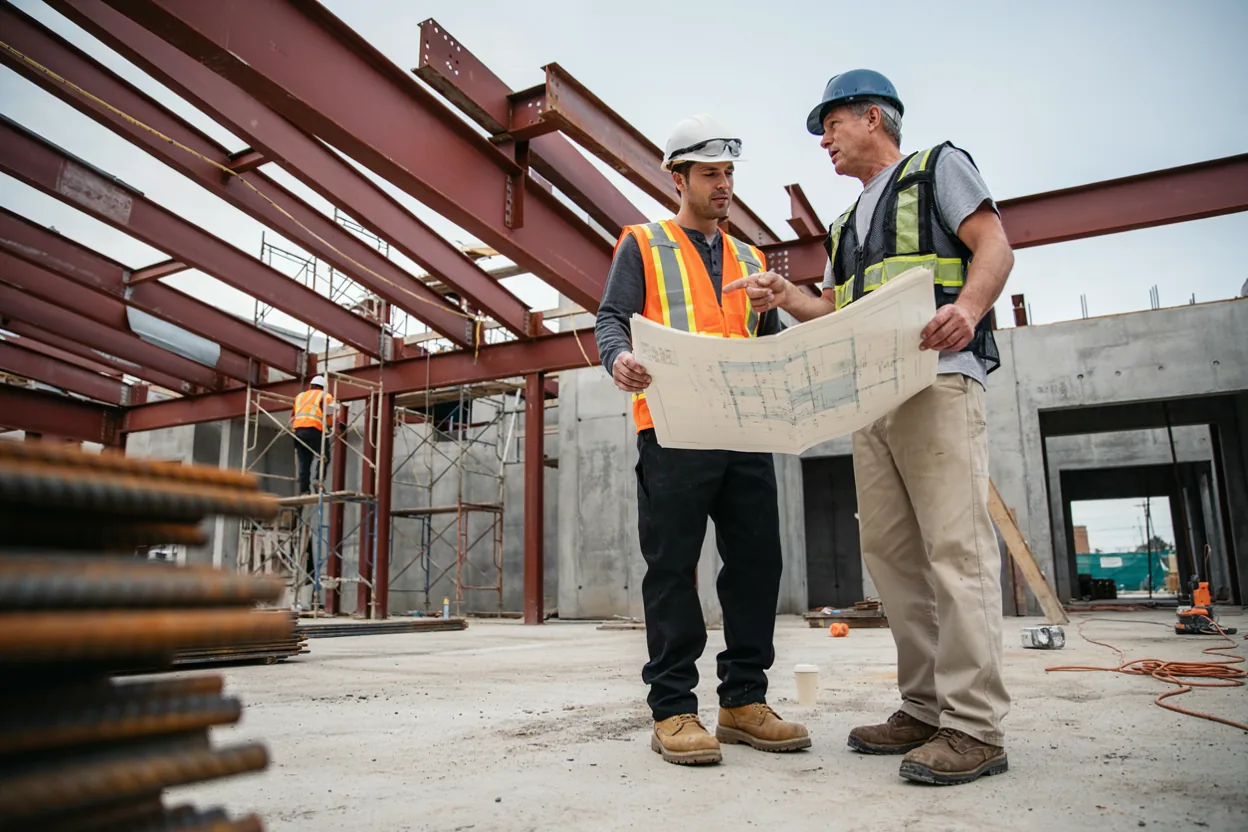
One of the most difficult questions following a structural failure is identifying who may be legally responsible.
A bridge, roadway, or building may involve architects, engineers, contractors, property owners, maintenance providers, government agencies, and manufacturers. Each may have different duties, and responsibility cannot be determined simply by identifying everyone associated with the project.
A viable claim generally requires a legal basis for liability, a connection between the alleged wrongdoing and the accident, and legally recognized damages.
Property owners and general contractors may have responsibilities related to reasonably safe conditions, construction activities, or specific statutory protections.
The scope of those responsibilities depends on the applicable law and the circumstances.
For example, liability under common-law negligence or Labor Law § 200 may turn on whether a party created or had notice of a dangerous condition, or exercised the relevant supervision or control over injury-producing work.
Other statutory provisions can impose different duties on qualifying owners and contractors.
A premises liability claim involving a deteriorated building is not necessarily governed by the same standards as a worker’s claim involving a collapse during construction.
Structural engineers and design professionals may be involved in evaluating load capacity, foundations, materials, structural connections, and construction specifications.
When a design or engineering error is suspected, determining whether professional negligence occurred may require expert review of calculations, plans, applicable standards, and the decisions made during design or construction.
Construction defects can also arise when completed work deviates from plans, specifications, or applicable requirements.
The presence of a defect does not, by itself, resolve whether an injured person has a viable claim against a particular professional or contractor. Legal duties, causation, and other defenses must be considered.
Some roads, bridges, and infrastructure systems are owned or maintained by public entities.
Claims involving municipalities, New York State, or public authorities may be subject to special notice requirements, shorter deadlines, statutory conditions, and governmental defenses.
Municipal notice of claim
For certain municipal tort claims, a notice of claim generally must be served within 90 days, subject to exceptions and specific statutory rules. Claims against New York State may follow different procedures under the Court of Claims Act.
Roadway cases may also involve prior written notice rules or defenses relating to discretionary governmental decisions.
Because identifying the correct public entity can take time, anyone injured in a possible governmental negligence case should seek prompt legal advice.
New York Labor Law provides important protections for workers engaged in certain construction, demolition, repair, and related activities.
However, the law does not treat every construction accident or structural collapse in the same way.
Three provisions frequently considered in construction injury litigation are Labor Law §§ 200, 240(1), and 241(6).
Labor Law § 200
Workplace safety duties
Section 200 reflects general workplace safety obligations. Liability analysis often considers whether a dangerous premises condition existed or whether a defendant exercised sufficient supervisory control over the work that caused the injury.
Labor Law § 240(1)
Gravity-related hazards
Often called New York’s Scaffold Law, Section 240(1) provides protections for workers performing covered activities who face certain elevation-related risks.
Depending on the circumstances, this may include falls from heights or injuries caused by falling objects requiring appropriate safety devices.
The provision does not automatically apply to every collapse, falling object, or construction site accident. Courts examine the covered activity, the elevation-related hazard, the statutory safety requirements, and causation.
Although Section 240(1) may impose a form of strict liability on qualifying defendants, the statutory elements must first be established.
Labor Law § 241(6)
Construction safety regulations
Section 241(6) may support a claim when an applicable, sufficiently specific Industrial Code requirement was violated and the violation contributed to the injury.
An allegation that a construction site was generally unsafe is not necessarily enough.
For injured construction workers, identifying the correct Labor Law theory requires a detailed review of the accident and the work being performed.
Bottar Law can evaluate how these protections may apply to structural failure accidents involving construction activity.
A serious structural failure accident can affect nearly every part of a person’s life.
In addition to emergency treatment, injured people may face surgery, rehabilitation, ongoing medical expenses, reduced earning capacity, and uncertainty about whether they can return to work.
Structural failures may cause fractures, spinal cord injuries, traumatic brain injury, crush injuries, amputations, and other serious injuries.
When an accident results in death, eligible representatives may be able to pursue a wrongful death claim and, where applicable, a related survival claim. The available damages depend on New York law and the circumstances.
No attorney can responsibly promise a particular financial recovery before the facts, liability, and damages have been evaluated.
The purpose of an investigation is to understand the full scope of the harm and determine what compensation the law may permit.
Benefit 01
Workers' compensation
Workers’ compensation generally provides eligible employees with statutory benefits for work-related injuries without requiring proof that their employer was negligent.
These benefits may include covered medical treatment and wage-replacement payments, subject to applicable rules.
Claim 02
Third-party lawsuit
However, workers’ compensation does not necessarily provide every form of recovery that may be available through a separate personal injury claim.
In certain circumstances, an injured worker may bring a third-party lawsuit against someone other than the employer, such as a qualifying property owner, general contractor, subcontractor, or product manufacturer.
For example, a worker injured by a collapsing structure may receive workers’ compensation benefits while pursuing a legally supported claim against a separate responsible entity.
Such claims require careful analysis. Workers’ compensation exclusivity rules may restrict claims against employers and certain other parties, and compensation carriers may have reimbursement or lien rights affecting third-party recoveries.
The relationship between these remedies should be evaluated before a settlement or other major decision.
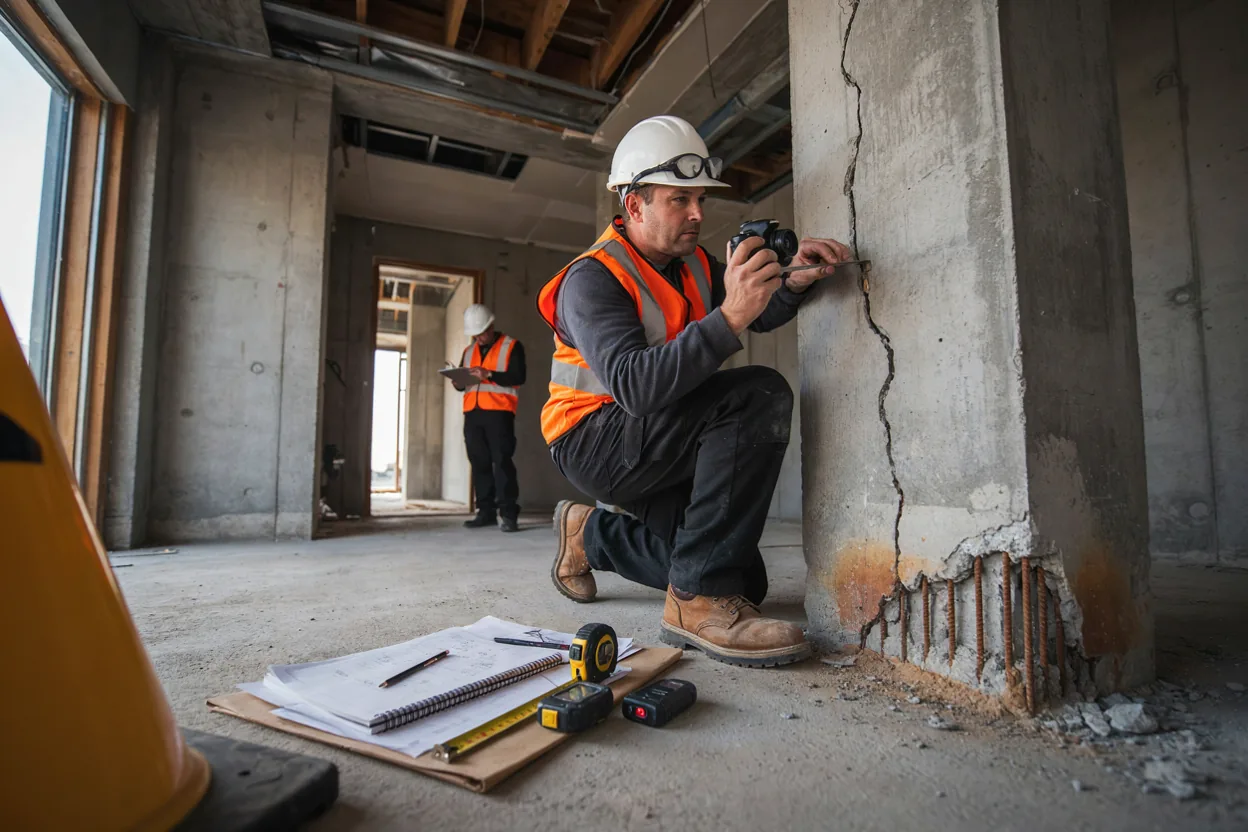
Understanding why a structure failed can be just as important as documenting the injuries it caused.
An investigation may begin with the accident scene, photographs, witness accounts, incident reports, and available records identifying the structure’s owner or operator.
When appropriate, preservation notices can be used to request that relevant parties retain potentially important evidence.
Our approach is to help clients understand the questions that need to be answered, the information that may be available, and the legal pathways that the evidence supports.
You should not have to become an engineering expert to understand your legal rights.

When a serious accident changes your life, choosing a law firm is not simply about finding someone who understands legal terminology.
You need a team willing to listen, explain complicated issues, and help you make informed decisions.
Firm-wide recoveries since 1983
Bottar Law is a Syracuse-area personal injury and medical malpractice firm whose history dates to 1983. The firm has reported more than $500 million in recoveries across its practice.
That figure is firm-wide and should not be interpreted as a result specific to bridge, roadway, or structural failure cases. Prior results do not guarantee a similar outcome.
The initial consultation and case evaluation process can be described in three steps:
Step 1Free Consultation
Tell us what happened. We listen, discuss your concerns, and explain how an initial case review works.
Step 2Case Review and Plan
We evaluate the available facts, identify potential legal issues, and explain possible next steps.
Step 3Legal Representation
If we accept your case, we explain the representation terms and work with you to pursue the available legal remedies.
Our goal is to provide clear communication and thoughtful legal guidance during a difficult period.
You deserve to understand your options without being pressured into a decision.
Bottar Law serves people seeking personal injury representation in Syracuse and the surrounding Central New York region.
The firm lists its office at the Historic Fairfield Estate in Fayetteville, just outside Syracuse. This landmark setting reflects the firm’s longstanding connection to the community and its emphasis on providing clients with a welcoming, dignified environment.
For people affected by bridge, roadway, and structural failures, the location of an accident may influence which laws, public entities, and courts are involved.
Whether an incident occurs on a local roadway, at a construction project, or on a larger infrastructure system, identifying the correct legal framework is an essential first step.
We welcome inquiries from injured people and families throughout the Syracuse area and Upstate New York, subject to case evaluation and the firm’s ability to provide representation.
Responsibility for a bridge collapse depends on who owed relevant legal duties and whether a breach of those duties contributed to the accident. Potentially responsible parties may include public agencies, bridge owners, engineering firms, construction contractors, maintenance providers, or manufacturers.
A bridge failure does not automatically establish negligence. Determining liability may require engineering analysis, inspection records, maintenance history, and identification of the entity responsible for the structure.
You may have grounds for a lawsuit if a construction-related building collapse caused your injuries and the circumstances establish a legally recognized basis for liability.
Depending on the facts, potential claims may involve negligence, premises liability, applicable Labor Law protections, or defective products.
Workers’ compensation rules can affect the claims available to injured employees. A construction accident lawyer can review the circumstances and explain whether a third-party claim may be possible.
New York Labor Law § 240(1), commonly known as the Scaffold Law, may apply to certain structural collapse accidents involving covered construction activities and elevation-related hazards.
For example, some incidents involving falling workers or falling structural materials may raise issues under the statute.
However, a collapse alone does not establish a Scaffold Law violation. The applicable safety-device requirements, the nature of the hazard, and the cause of the injury must be evaluated.
Yes. In appropriate circumstances, an injured construction worker may receive workers’ compensation benefits and pursue a separate lawsuit against a legally responsible third party.
A third-party claim might involve a property owner, contractor, or equipment manufacturer, depending on the facts.
Workers’ compensation exclusivity rules and reimbursement rights may affect the case. An attorney can explain how the different claims interact and whether a third-party recovery could affect compensation benefits.
Compensation in a successful structural failure injury claim may include medical expenses, lost income, reduced earning capacity, pain and suffering, and other legally recoverable damages.
The available categories and amounts depend on the type of claim, the severity of the injuries, and the supporting evidence.
In fatal accidents, certain family-related and estate claims may also be available under New York law. Every case requires an individual assessment.
Many New York negligence-based personal injury lawsuits are subject to a three-year limitations period, while wrongful death actions generally have a two-year period. Exceptions and different accrual rules may apply.
Claims involving public entities can have substantially shorter requirements. Certain municipal claims require a notice of claim within 90 days, and claims against New York State follow separate Court of Claims procedures.
Because deadlines depend on the defendant and claim, seek legal advice promptly rather than assuming a general deadline applies.
Important evidence may include photographs, accident reports, witness statements, inspection records, engineering plans, maintenance logs, construction contracts, and physical components involved in the failure.
Medical records and employment information can help establish the injuries and financial consequences.
The most useful evidence depends on the suspected failure mechanism and legal issues. Prompt investigation can help identify records or materials that might otherwise become unavailable.
First, move to safety if possible and obtain emergency medical attention when needed. Avoid entering or reentering an unstable structure.
Report the incident to the appropriate authorities or responsible parties. If it is safe, preserve photographs, witness contact information, and relevant documents.
Follow medical recommendations and keep records of treatment and expenses. Before providing detailed statements to an insurance company or accepting a settlement, consider obtaining legal advice about your rights.
A serious structural failure can leave you with questions no one has answered. Why did the structure fail? Could the accident have been prevented? Who was responsible? What can you do to protect your future?
You do not need to answer those questions alone.
At Bottar Law, we begin by listening. We can review the information you provide, explain the legal issues that may apply, and discuss possible next steps.
Attorney Advertising. Submitting an inquiry does not, by itself, establish an attorney-client relationship.